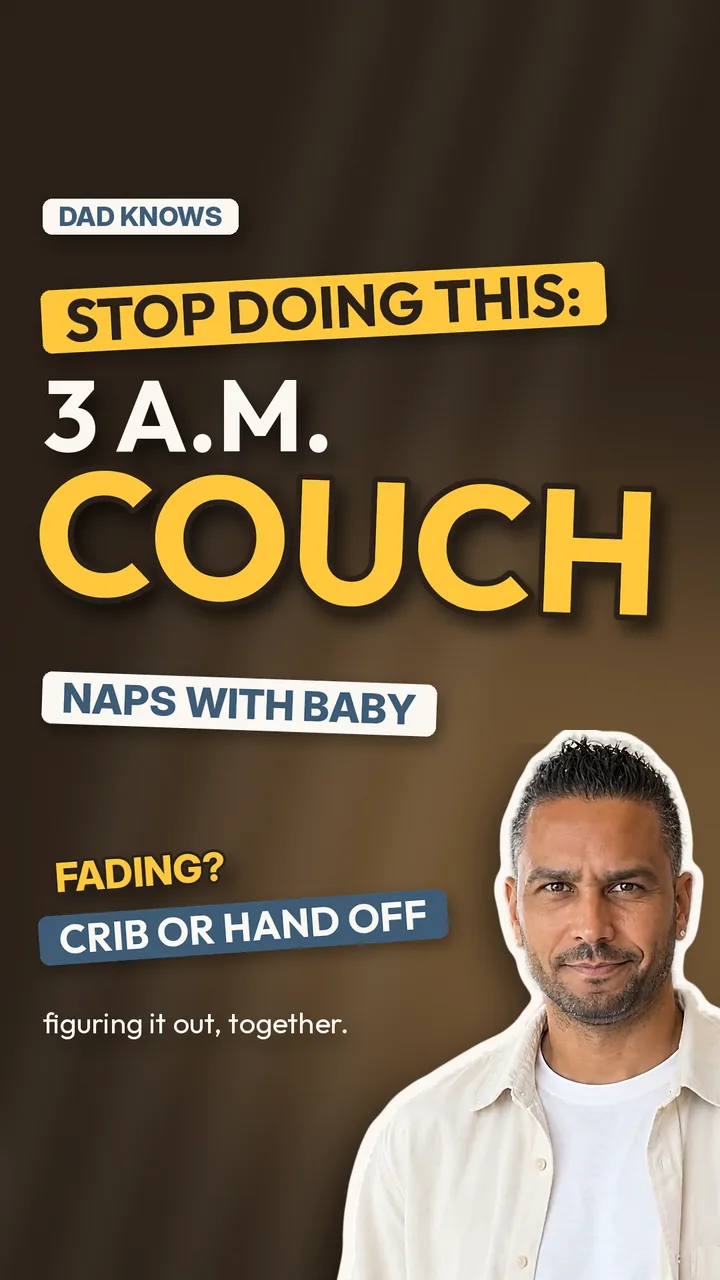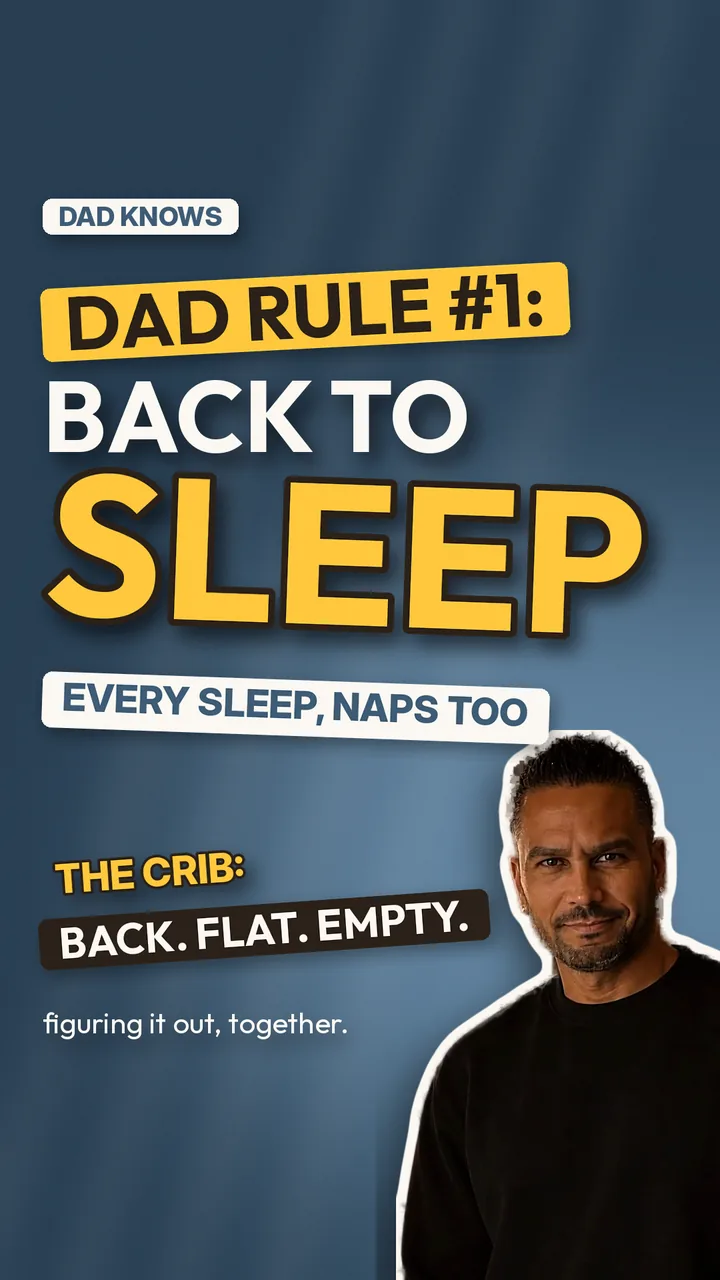

The safe sleep rule every dad should know by heart: back to sleep, every sleep. Naps included, on a firm, flat mattress with just a fitted sheet. No pillows, no blankets, no bumpers. Back, flat, empty.
Health Canada sums it up as the ABCs: Alone, on their Back, in a Crib, cradle or bassinet.
Soft items in the crib can cover a baby’s face and block their breathing. Babies who always sleep on their backs have a lower risk of SIDS, and rates dropped dramatically after back-to-sleep campaigns began in the 1990s.
Instead of a loose blanket, use a wearable sleep sack or dress baby in layers. Car seats, swings and strollers aren’t for routine sleep. If baby falls asleep in one, move them to their crib when you can.
Advice has changed since today’s grandparents had babies. Tummy sleeping, crib bumpers and cozy blankets were once common.
Keep it kind and simple: “Here’s what our pediatrician told us.” The rule applies to every caregiver and every sleep, including at grandma’s. When you travel, plan a safe sleep space ahead of time.
Exhaustion makes it easier to slip, like dozing off with baby on your chest. Plan who’s on duty each night so one of you is always rested enough to put baby down safely. Here’s how to split the night.
Sleep loss weighs on both of you. Postpartum depression and anxiety can affect moms and dads, so check in with each other and ask for help early.
The First 2 Weeks Home is a free 16-page guide for new dads, sent straight to your inbox, plus more dad tips along the way.
No. Side sleeping isn’t safe. Place baby on their back for every sleep.
No loose blankets. Use a wearable sleep sack or dress baby in layers instead.
Keep placing baby on their back until age one. Once they can roll both ways on their own, it’s okay if they roll onto their tummy.
General info, not medical advice. Check with your doctor.
Sources: Health Canada: Safe sleep for every sleep, HealthyChildren.org (AAP): A Parent’s Guide to Safe Sleep, HealthLinkBC: Safer sleeping for babies.
Follow along for more tips on Instagram, YouTube, TikTok and Facebook.